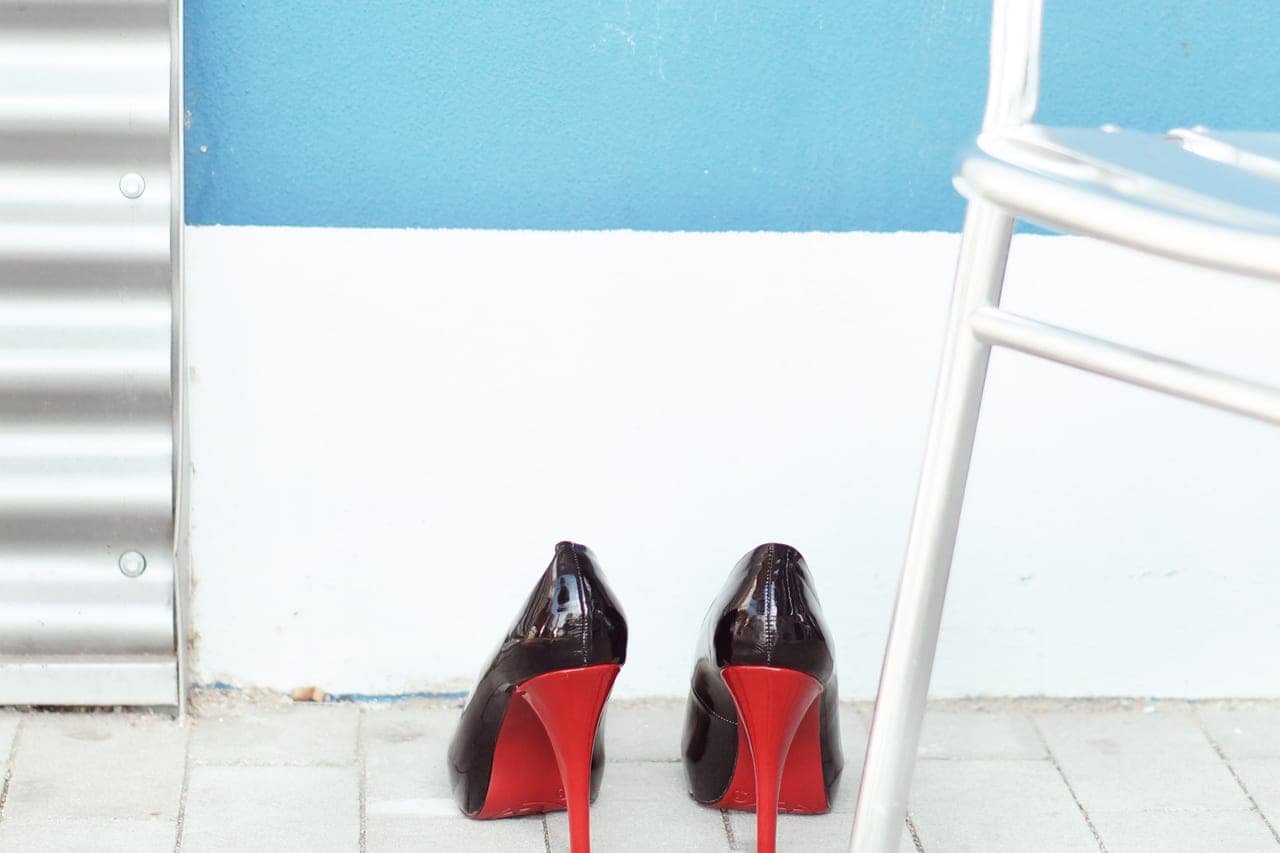
In its judgment of 1 July 2015 (Az. 9 K 3675/14 E), the 9th Senate of the Münster Tax Court ruled that a shoe sales assistant cannot claim the purchase of shoes as income-related expenses, even if she is required to wear shoes sold by her employer during working hours. The claimant works as a sales assistant in a shoe store belonging to a chain. The chain's "service standards" stipulate that every employee must wear "cleanly polished shoes from our own range" during work. For the purchase of such shoes, the claimant declared 849 EUR as income-related expenses in the year in dispute, 2013, in addition to other expenses. The tax office did not recognise these expenses on the grounds that the shoes did not constitute typical work clothing. The claimant, on the other hand, argued that she had worn these shoes only during work and not in her leisure time. The single judge, to whom the Senate had transferred the case, dismissed the action. Expenses for ordinary civilian clothing are not deductible for tax purposes as costs of private living. This applies even if such clothing is worn almost exclusively for professional purposes and was purchased specifically for that purpose. A deduction as income-related expenses is excluded as soon as private use of an item of clothing is possible and customary. This does not apply to typical work clothing which, by its nature, is intended almost exclusively for professional use (e.g. uniforms, official robes or doctors' coats). Shoes that form part of general ladies' fashion do not fall under this category, as they can equally be worn on private occasions. For this reason, an objective distinction between professionally related expenses and costs of private living is not possible.
Frequently asked questions
Frequently asked questions
Are a shoe saleswoman's shoes deductible as work-related expenses?
No. In its judgment of 1 July 2015 (case no. 9 K 3675/14 E), the Münster Tax Court ruled that the costs of acquiring shoes for a shoe saleswoman are not deductible as work-related expenses, even if the employer requires her to wear the company's own shoe models. Shoes are considered everyday clothing, the costs of which are attributable to private living expenses.
When are clothing expenses deductible as typical work clothing?
Clothing expenses are only deductible if they qualify as typical work clothing intended almost exclusively for professional use. Examples include uniforms, official robes, or doctors' coats. Items that can also be worn privately are not deductible.
Does it matter whether clothing is actually worn for professional purposes only?
No. The deduction of conventional clothing as work-related expenses is already excluded if private use is possible and customary. This applies even if the clothing is in fact worn almost exclusively for work and was purchased specifically for that purpose.
Why are shoes considered part of women's fashion not deductible as work-related expenses?
Shoes that generally belong to women's fashion can equally be worn for private occasions. An objective distinction between work-related expenses and costs of private living is therefore not possible, so a deduction as work-related expenses is excluded under § 12 Nr. 1 EStG.
Does a contractual obligation to wear certain clothing help with the deduction as work-related expenses?
No. Even an obligation under the employment contract or service standards to wear specific items of clothing, such as shoes from the employer's own brand, does not turn them into typical work clothing. What matters is solely the objective nature of the garment and whether it can be used privately.